A documentary editor can start with one paragraph about the story, an inventory of the footage and a clear account of the decisions still open. If you have a rough cut, include the version the team last watched and what you hoped the audience would take away from it.
Give the editor a way into the footage
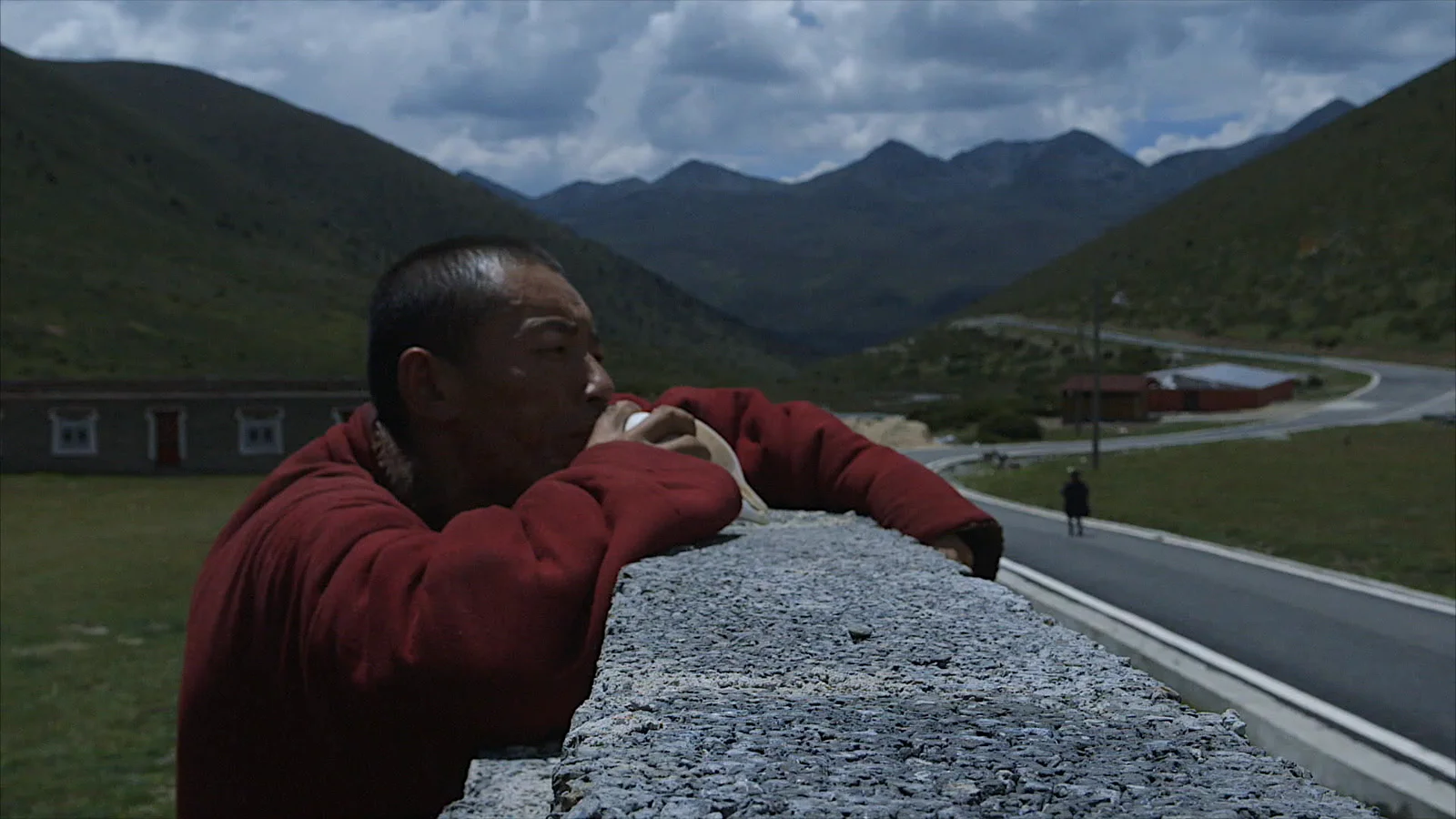
Start with the people. Who are we following? What do they want? Point to a scene where something changes for them. In Family Under the Roof, a boy’s letter to his late mother gives the audience a way to understand the ordinary routines we see. In Under the Windhorse, a returning volunteer’s relationship with a young student gives the film a way into questions of education and belonging. If your footage has a letter, exchange or turning point worth looking at first, give the editor the file name and timecode.
Keep camera originals and separately recorded sound in their original folder structure. Add an inventory with shoot dates, speakers, recording hours and any missing files. Identify which proxies, transcripts and translations go with each source clip. If a transcript has uncertain wording or a translation still needs review, flag the timecode and name the person who can check it against the recording. List any footage, photos or music whose use still needs approval, with a person responsible for following up.
Send the right materials for the cut you have
- Starting from footage. Send the media inventory, source footage and audio, plus any transcripts, selects or field notes. Name the scenes you think matter and the story questions you want the editor to explore.
- Picking up a rough cut. Include the editable project and sequence, editing software and version, linked media and a reference export of the cut everyone last reviewed. List any missing media, temporary music, fonts or plug-ins. Ask the editor to open the project and check that they can reconnect the media before you call the transfer complete.
- Finishing an approved cut. Name which parts of finishing you need, such as dialogue cleanup, sound design, color or captions. Give each specialist the same dated reference export and ask what project or interchange files they need. Agree on the turnover before sending a drive.
Match each review to the stage of the cut
At the assembly, ask what story a viewer can follow. If the audience only learns halfway through the film why a subject is returning home, would an earlier scene help? Save detailed color and sound notes for the stage when those decisions are being made.
At the rough cut, gather feedback from the people who can approve the film. Send the editor one set of timecoded notes against one dated export. A note such as “At 02:10 I couldn’t tell whether the two speakers had met” gives the editor a problem they can solve. Identify competing feedback that needs a producer’s decision and name who signs off on the cut.
Agree on picture lock and delivery
Before final sound mixing, color and captions, approve the order and duration of the shots in a named version. An interview replacement after picture lock can change music cues, the mix, captions and translations. Agree on who can approve a late change, then tell the finishing team which versions need to be updated.
Write a delivery list with a destination for each file. A San Francisco premiere might need a full-length master that meets the venue’s playback specs, while the campaign team needs a shorter vertical edit with captions visible on screen. For each version, record the runtime, aspect ratio, language, caption format, deadline and approver. Watch the final exports with sound, check names and caption timing, and test playback wherever the film will be shown when you have access.
A handoff note you can copy
- Story and audience — Who are we following, and what should the viewer understand by the end?
- Footage — Where are the originals, audio and backups? How many hours and languages are involved?
- Starting point — Which scene, transcript passage or rough-cut timecode should the editor look at first? Which project and export are current?
- Open decisions — What needs story editing or finishing? Which material still needs approval, and who can clear it?
- Review and delivery — Who consolidates notes and signs off? Where and when will each version play?
If you can still arrange a pickup interview, include when the subject is available and what the new interview could clarify. For a post-production estimate, tell LemonTree about your footage. Include your footage hours, current cut, the help you need and the first delivery date. If there’s a sample worth sharing, mention it so you can agree on a private transfer. See the documentary post-production service for what the team can take on.